UW experts weigh in on raw milk debate, warn of safety risks
MADISON, Wis. (WMTV) - The sale of unpasteurized milk remains illegal in the dairy state, but more than three dozen bills supporting raw milk have been introduced in states around the nation, according to the Associated Press.
That includes neighboring states to Wisconsin, such as Iowa, Illinois and Michigan, which have introduced laws this year.
University of Wisconsin-Madison professors in food and dairy sciences say that while farmers in Wisconsin take great care of their animals, raw milk can never be guaranteed completely safe.
Health debate continues
The selling and consumption of raw milk has continued to be a topic of debate.
“I think it’s a great conversation to keep having, and I’m glad that it comes up and we have the opportunity to address it,” said Laura Hernandez, a UW-Madison Professor of Lactation Physiology in the Department of Animal & Dairy Sciences.
Some, including the U.S. Health Secretary Robert F. Kennedy Jr. says raw milk has health benefits.
But UW professors Hernandez and Rankin say there are major safety risks when milk is not pasteurized.
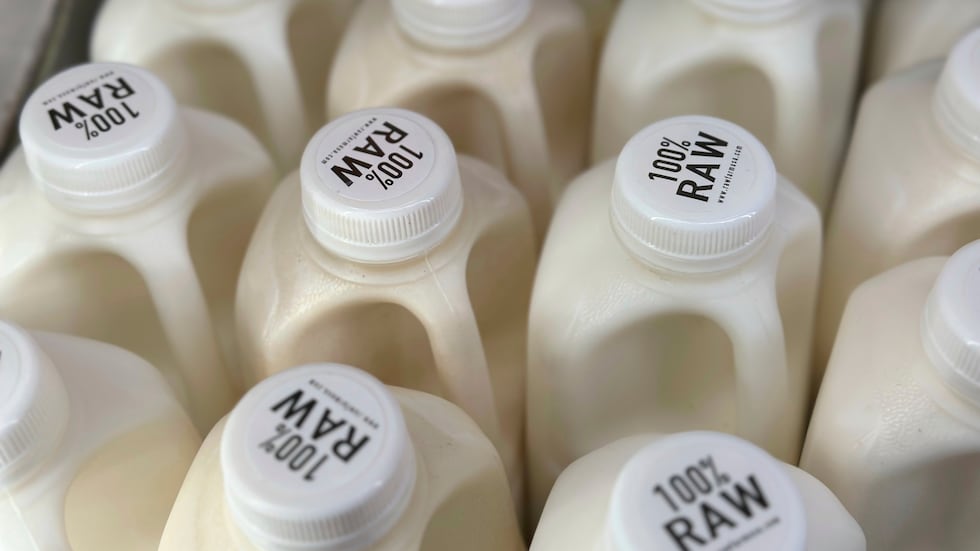
“Both on the production side and the processing side, all those really sharp people are looking at milk. If there really was something valuable in it, we would have discovered it,” said Scott Rankin, chair of Food Science and Nutritional Sciences at UW-Madison. “If we got our two groups together, the consensus of that group is this is a poor practice.”
The professors say pasteurized milk has high nutritional value, and the process of pasteurization removes very little of the healthy components that people say are in raw milk.
“It’s easy to kind of forget the great success story that pasteurized dairy products are; they’re super healthy. They’re super good for you,” explained Rankin. “The protein is like the golden standard of protein in the food world.”
Pasteurization process explained
The pasteurization process heats milk to 161 degrees Fahrenheit for at least 15 seconds to kill germs.
“Pasteurization was one of the most successful things in terms of food safety,” Hernandez said.
The professors say Wisconsin dairy farms do a great job at following strict regulations to keep things clean. But when dealing with live animals, there are always chances of harmful germs.
“You can have good practices, good, clean, healthy, you know, but still, none of those are as definitive as petri,” Rankin said.
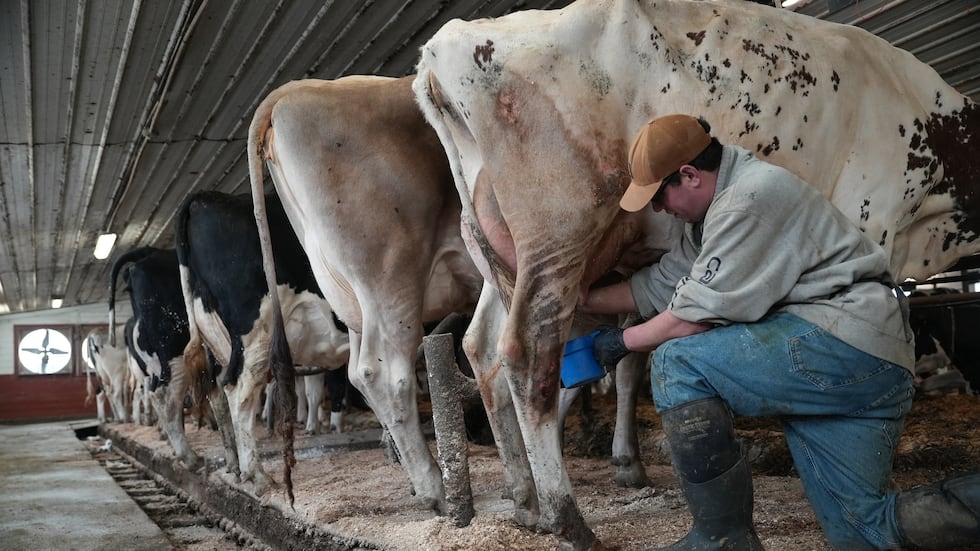
“We also have to remember that from a public health standpoint, we have to remember that cows are alive. And so they’re going to be exposed living beings that live in an environment where they are going to be exposed to things. And that in turn can create a significant risk,” Hernandez said.
Risks can be deadly and detrimental
The risks of unpasteurized milk can be deadly.
“There were quite a few numbers of children that died from consuming raw milk, like being exposed to raw milk from the bird flu virus,” Hernandez said.
The risks can also be detrimental to local farms.
“And it puts the farmer at risk for liability issues... that name in Wisconsin, they kind of get a black eye, so to speak. So their economic, human suffering, their blood issues that bear on- that’s why we don’t allow it here,” Rankin said.
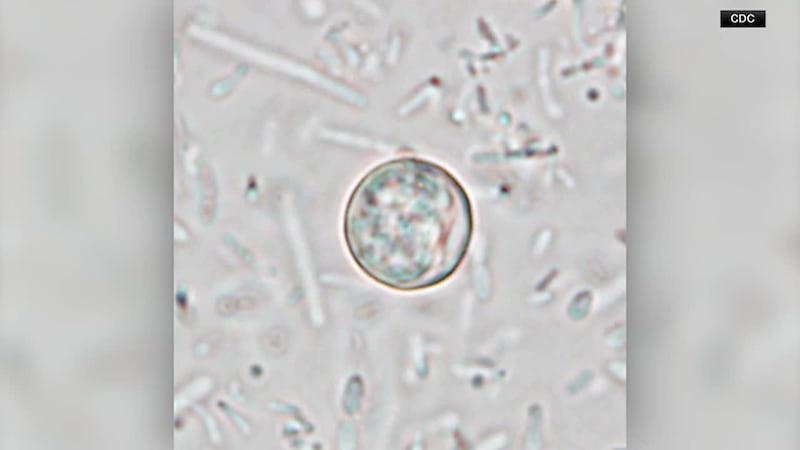
The FDA and U.S. Centers for Disease Control and Prevention also warn against the consumption of raw milk, citing cases of serious illness such as Listeria, Salmonella, Campylobacter and E. coli.
Click here to download the WMTV15 News app or our WMTV15 First Alert weather app.
Copyright 2026 WMTV. All rights reserved.