The lasting impact of a concussion
There are risks for not being treated early or at all
GREEN BAY, Wis. (WBAY) - Students are back in the classroom, and many are back on the field or in the gym. Experts in our area want to remind parents and young athletes about the risk of concussions.
The Centers for Disease Control and Prevention says about 7 out of 10 emergency department patients for sports- and recreation-related traumatic brain injuries and concussions are kids 17 and younger.
Experts want you to protect your child or athlete no matter the sport. It’s important to always wear protective head gear.
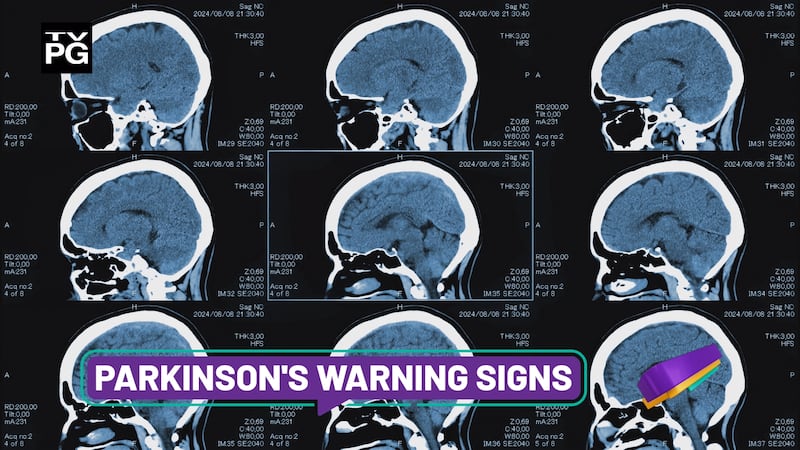
A concussion is a traumatic brain injury. It alters the way the brain functions.
First Alert Safety Desk spoke with a licensed athletic trainer with ThedaCare, who says small hits or big hits can lead to a concussion.
“It can be small hits. It can be small, multiple hits. Any impact, and your impact, and my impact, might be different. It could be very little for me to get a concussion and you would need a full-blown impact. Everybody is so different, and everybody is susceptible at a different rate,” Cassandra Timmers said.
Symptoms of a concussion can include headaches, drowsiness, fatigue, a hard time concentrating, nausea or vomiting.
The CDC says there are several actions to reduce head impacts in football and other youth sports.
Those include fewer contact practices; strictly enforcing penalties for hitting another player in the head with their helmet; and educating parents, coaches and athletes on safe techniques.
“Really just working on proper technique, so talking with our football coaches, making sure that they’re educating our kids on, ‘Is this a proper tackling form?’ If not, then we really need to look at correcting that, because those are the best ways to prevent a concussion, because as we know, injury is inevitable in sports,” Timmers said.
Experts say the risk of not getting treated early or at all means longer recovery times; serious complications, like developing CTE; and the worst would be a second impact or concussion that in some cases could lead to death.
This is why it’s so important young athletes speak up, and if parents or coaches notice changes to get that person checked out.
Everyone is susceptible to concussions, and kids are more vulnerable.
It may take longer to recover because they’re active and in school most of the day. They’re being stimulated in classes and at home with activities.
Experts suggest reeling those kids back, explaining the importance of resting and following the recovery plan their doctor sets up.
Copyright 2025 WBAY. All rights reserved.